

16/10/2023
Psychology in sport: how can athletes benefit from it?


Mastering the skills needed for high performance in any field is essential. Playing the piano requires precise and fast finger control, a career in science requires easy learning strategies, playing basketball requires good ball control, etc. But is mastering a physical skill a guarantee of victories and prizes? In these days of fast-paced sports, it is no longer enough to be technically good or to have the right "physical attributes". It is also no longer enough to just practice them regularly. In the current context of professional sport, the biggest differentiator between successful and unsuccessful athletes is no longer their "physical attributes" or skills, but their psychological abilities: concentration, self-confidence, resilience, thought management, intrinsic motivation, ability to withstand pressure, emotional control, etc.
Just like with physical skills, one does not become mentally tough after one session with a mental coach or a sports psychologist. Just like muscles, psychological skills are developed by active daily work with your emotions, attention and thoughts. Unfortunately, psychological preparation is rarely included in athletes' training and preparation for competition programs. Sport is not only a physical test, but also a psychological challenge. This makes psychology an important part of the athlete's journey, helping them to perform at their best even when faced with challenges.
In this article, we will discuss the benefits that psychological preparation brings into the training systems for the athlete, the coach and the team.
Sport psychology focuses on the often overlooked aspect of competition preparation - emotional stability and mental toughness. In today's rapidly developing sporting environment, it is not enough for an athlete to be physically good or talented. What makes the difference between becoming a champion or not is the athletes' psychological preparation.

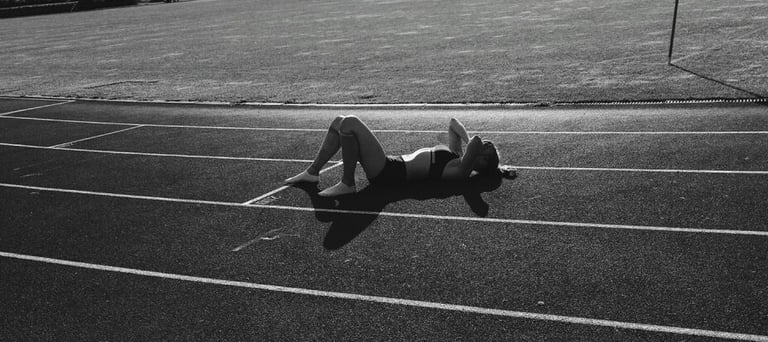
Sport is not only a physical test, but also a psychological challenge
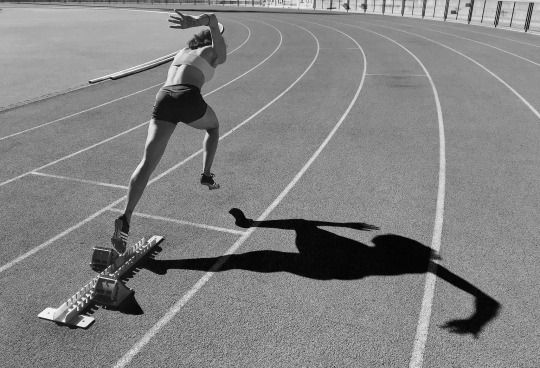
Psychological preparation helps athletes to know themselves better and builds their confidence.
Believing in oneself is essential for high performance. It is important for any athlete to understand their strengths and weaknesses, both physically and psychologically. Knowing your weaknesses can help you to improve and focus on them during training, while knowing what your strengths gives you the desire and confidence to perform them. Working with the mind helps the athlete to develop a positive self-image, which in turn builds up self-confidence. The road to success is filled with difficulties and setbacks, but a psychologically strong athlete can always rely on their well developed self-confidence.
Psychological preparation helps athletes manage stress and better cope with pressures they are face with.
Anxiety during preparation period or competition moment can have serious consequences for an athlete's performance. Practicing psychological skills regularly can help to maintain emotional balance and focus even in pressure induced situations.
Mindfulness training improves concentration.
Successful sports performance requires a high level of concentration and focus during all competitions. Psychological exercises designed to improve concentration can help athletes to focus on what they are doing in the moment, blocking out all external stimuli - whether it's fans shouting "you're not going to make it!" when shooting a free through, or getting the ball at the three-point line at the last second of the game. When the focus is on the current action, the athlete has more conscious control on their actions.
A mentally strong person is able to control their emotional state more easily.
Unexpected sport situations, opponents or even teammates/coaches can provoke a range of emotions including joy, frustration, anger and anxiety. The ability to manage these emotions is very important as they can easily cause an athlete to lose concentration and make mistakes that can cost a victory. Psychological preparation helps athletes to maintain emotional balance regardless of what is happening on or off the field.
Exercises targeting interpersonal relationships also contribute to teams' dynamic and cohesion.
This is especially true in team sports, where players rely on each other to achieve a result. If one team member disagrees with another and does not know how to express it in a healthy way, it can affect his or her decision making during a match situation. Athletes need to be able to cooperate with their teammates, successfully manage conflict and support each other in any situation. Psychological tools in this case can help teams to build strong relationships, get to know each other better and solve problems more easily.
Psychology is an integral part of sports, helping athletes to better understand themselves, manage their emotions, improve concentration and attention, and successfully manage stress. Psychological skills are therefore an irreplaceable tool for sporting success.
Psychology in sport
How can athletes benefit from it?